


markdown Eurozone Banks and Middle East Conflict Limited Direct Exposure Eurozone banks appear to have minimal direct exposure to the ongoing conflict in the Middle East. However, the intertwined nature of global markets could pose systemic stress, according to European Central Bank Vice President Luis de Guindos. He noted that the financial markets have experiencedECB Warns of Financial Risks Amid Potential Conflict with Iran

A Grave Global Economic Concern The crisis in the Middle East has escalated to alarming levels. Iran’s renewed strikes on its Gulf neighbours add to the turmoil. The International Energy Agency warns of a “major, major threat” to the global economy if the situation persists. Impact on Energy Markets Fatih Birol, speaking at Australia’s NationalGlobal Economy at Risk, Warns Energy Agency Leader
markdown Current Market Outlook On Tuesday, US stock futures took a slight dip. This follows a substantial uptick on Wall Street driven by growing optimism about possible peace talks between the US and Iran. Contracts linked to the S&P 500 (ES=F) and the Dow Jones Industrial Average (YM=F) both experienced a minor decrease of 0.1%.Stock Futures Fluctuate Amidst Iran’s Rejection of Talks

markdown The Dollar Ascends Amid Middle Eastern Tensions As Monday dawned, the dollar found itself on the rise. The backdrop of escalating tensions in the Middle East led to a marked increase in demand for safe-haven assets. Impact on Global Currencies The Australian dollar, often seen as a global sentiment barometer, tumbled as Asian equitiesDollar Strengthens Amid Investor Move to Safety Due to Escalating Middle East Conflict
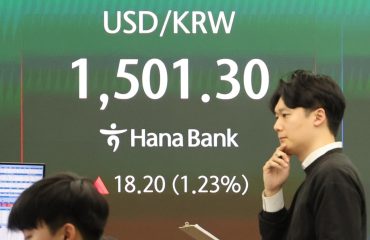
South Korean Won Hits 17-Year Low Amid Middle East Turmoil Market Reaction to Middle East Events The South Korean currency, the won, has slumped to its weakest position in 17 years. This decline is intertwined with growing tensions in the Middle East and soaring global oil prices. Thursday saw the won valued at 1,501 againstKorean Won Hits 17-Year Low Against U.S. Dollar Amid Ongoing Iran Crisis

The Present Conflict in the Middle East: A Modern Suez Crisis? The ongoing troubles in the Middle East, now entering their third week, have led to the effective closure of the Strait of Hormuz. According to the well-regarded billionaire investor Ray Dalio, this situation signals a significant turning point for the global economy. One mightRay Dalio Cautions That Iran Conflict Might Lead to U.S. Decline and Weaken Dollar’s Influence
Economic Pressures Mount as Middle East Conflict Escalates The tension in the Middle East is adding fresh pressure to the already strained U.S. economy. Surging oil prices, increased borrowing costs, and stubborn inflation are affecting everyday expenses. Economists warn that immediate relief from the Federal Reserve may not be forthcoming. Inflationary Forces Across the EconomyEscalating Conflict in Iran Intensifies U.S. Cost-of-Living Challenges

Middle Eastern Conflict Fuels Diesel Price Surge Traders and analysts raise concerns over surging diesel prices, fearing they might hamper global economic activity. The ongoing conflict in the Middle East is impacting fuel supplies, crucial for various sectors. Supply Shortages and Geopolitical Tensions Diesel has struggled with supply issues for years. Ukrainian strikes on RussianGlobal Economy at Risk Due to Diesel Market Challenges

Bitcoin’s Resilience Amidst Middle East Turmoil: An Englishman’s Insight A week following the eruption of conflict in the Middle East, the ripples are still being felt across global markets. Whilst oil prices soar and the dollar strengthens, cryptocurrencies display an unexpected robustness. Here’s an Englishman’s take on the unfolding events. Cryptocurrencies in Turbulent Times AmidstResilient Bitcoin and Strong Dollar: Impact of Iran Conflict on Financial Markets
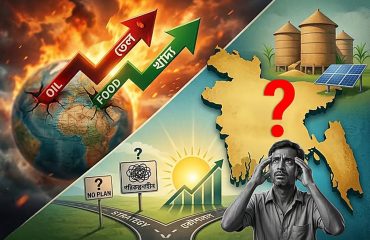
The Oil Conundrum of 2022 During the turmoil of 2022, oil prices soared to a staggering $139 per barrel. Although this peak was brief, it left lasting impacts. Bangladesh faced a significant crisis with its reserves while importing oil at such exorbitant prices. The Impact on Bangladesh The situation forced the country to reduce imports,Rising Oil Costs Lead to Increase in Food Prices: Bangladesh’s Next Steps
- 1
- 2
