

Contents
The Present Conflict in the Middle East: A Modern Suez Crisis?
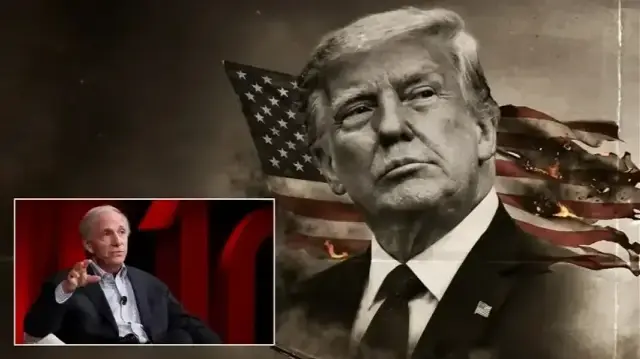
The ongoing troubles in the Middle East, now entering their third week, have led to the effective closure of the Strait of Hormuz. According to the well-regarded billionaire investor Ray Dalio, this situation signals a significant turning point for the global economy. One might say, it’s not merely a regional disagreement, but potentially the start of a shift that could challenge US dominance.
A Nod to History: The Suez Crisis of 1956
In his musings on Substack, Dalio draws a fascinating parallel to the 1956 Suez Crisis. This marked the end of Britain’s imperial chapter. He suggests the US is facing a similar pivotal test. The disruption of trade through the Strait mirrors past events. A move from dollar to yuan in oil transactions could be devastating for the US.
Three Signs of Impending Collapse
Drawing from his “Big Cycle” theory, Dalio observes that the US is in a perilous phase. He identifies three ominous signals:
- Economic Deadlock: Unmanageable debt and the dollar’s eroding power.
- Internal Fragility: Political divides and social tensions weaken the nation.
- Attritional Wars: Costly conflicts with countries like Iran drain resources.
Wouldn’t such events lead one to ponder the resilience of great nations?
The Threat to the Petrodollar
A notable risk in Dalio’s analysis is the potential sidelining of the dollar in oil trade. If Iran demands alternatives like the yuan, the petrodollar system could unravel. A collapse here would lessen the dollar’s global stature and impair America’s ability to finance its debts. What a blow that would be to its global influence!
A Warning to Investors
Dalio adamantly underscores that the global order is “cracking.” It’s not just a geopolitical scuffle but also a period of widespread wealth redistribution. For investors, the recommendation is clear: a shift towards diversified portfolios and tangible assets is imperative.
Understanding the Conflict Context
On February 28, joint attacks by the US and Israel on Iran left over 1,300 deceased, including former Supreme Leader Ayatollah Ali Khamenei. Iran’s response was swift, targeting both Israel and Gulf states. The Strait of Hormuz, through which 20 million barrels of oil pass daily, is now closed. Further, the conflict has reached Lebanon, displacing more than a million people. Such developments only deepen the crisis.
In conclusion, these events are layering challenges upon the existing global order. The Suez Crisis taught us that empires can unravel swiftly, and today’s dynamics could indeed prompt a similar historic shift. One must wonder: are we prepared for such changes?
