

Contents
Early Financial Woes
Michigan’s economic challenges aren’t new. They’ve been brewing well before the current Congress and administration found themselves in the spotlight. It’s a situation requiring historical perspective and thoughtful analysis.
Blame in the Capitol
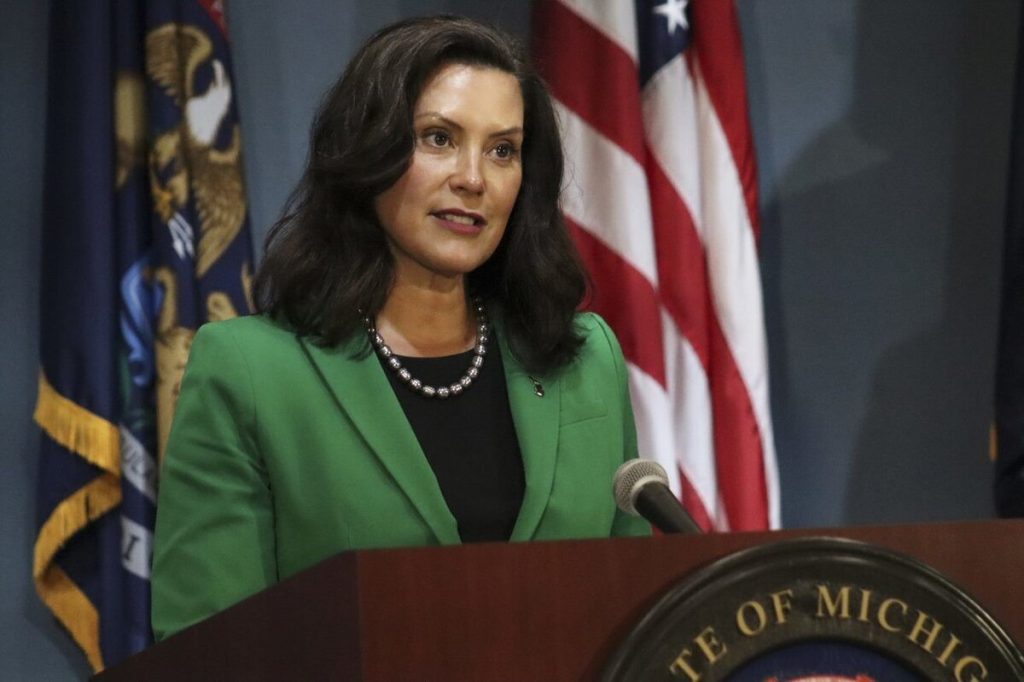
Governor Gretchen Whitmer, in her seventh year, squarely places blame on Republican leaders in Washington for economic instability. On August 6, she took to X, expressing concerns, “With Republicans in Washington creating more economic uncertainty, good-paying jobs are on the chopping block… let’s get it done.”
Employment Rates and Statistics
Upon Whitmer’s January 2019 inauguration, Michigan’s unemployment rate was a tad above America’s average. The U.S. Bureau of Labor Statistics pegged it at 4.2%, while the national figure stood at 4.0%. Fast forward to July 2025, and the figures shifted to 5.3% for Michigan, against 4.2% nationally.
The Rising Unemployment
In December 2018, before Whitmer held office, Michigan ranked 14th in unemployment rates. According to James Hohman of the Mackinac Center for Public Policy, it now holds the unenviable position of third-highest among the states.
Corporate Subsidies and Policy Impacts
Recent legislative terms saw Michigan approve $4.7 billion in corporate subsidies. This stands as the largest amount since 2008. Hohman’s longitudinal study suggests these subsidies rarely fulfill their growth promises. Meanwhile, in February 2024, the state repealed its right-to-work law, which might also be affecting economic health.
Manufacturing Sector Comparisons
States with right-to-work laws have consistently shown stronger manufacturing sectors. The Mackinac Center reported in 2022 that states adopting such policies had a 12.1% higher share of employment. Those adopting post-2000 saw a remarkable 20.7% increase.
Concluding Thoughts
In conclusion, Michigan’s economic state is a complex tapestry. It’s interwoven with policies, legislative decisions, and broader national economic shifts. As always, the key lies in balanced planning and bipartisan efforts moving forward.
Let’s hope for a brighter economic future for Michigan and beyond.
