

markdown
Contents
A Growing Crisis in Washington
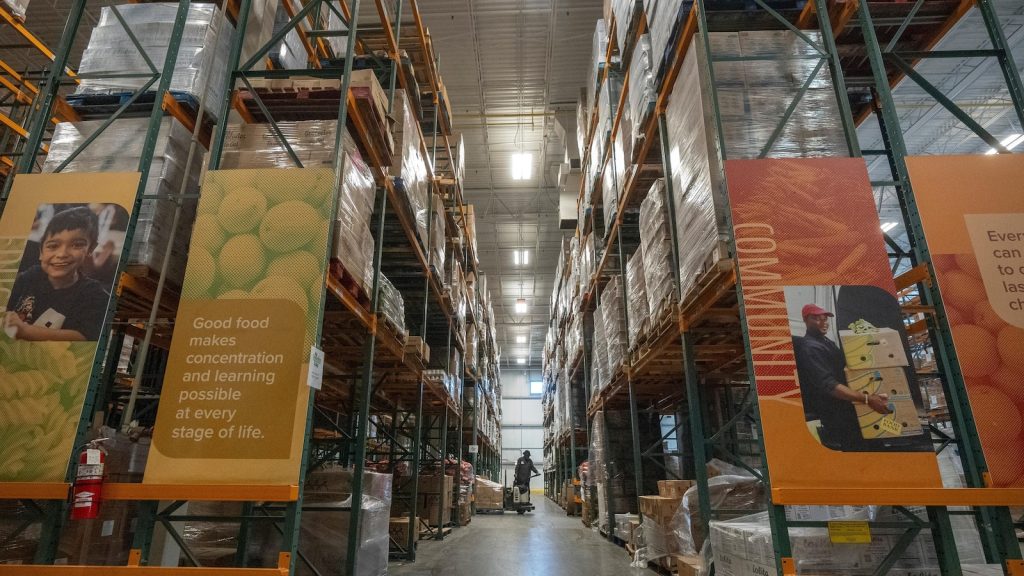
The Capital Area Food Bank in Washington faces a daunting task. A series of events has left many residents in dire need of support. They are planning to distribute an impressive 8 million more meals this year—a 20% increase. Chaos reigns, but the forklifts continue their dance, unloading and distributing food to those in desperate need.
The Impact of Recent Events
Washington, D.C., has seen a turbulent year, worsened by decisions from the Trump administration. The longest government shutdown and mass layoffs have sent shockwaves through the city. The local economy, already under strain, is struggling further.
Interestingly, unemployment in the capital sits at 6% compared to the national rate of 4.3%. This economic pressure has recently been a focal point in politics. Democratic candidate Abigail Spanberger won Virginia’s gubernatorial seat, highlighting how President Trump’s policies affect the economy.
Missed Paychecks and Business Struggles
Financial woes ripple through all sectors. The shutdown has paused federal workers’ pay, leaving 670,000 furloughed and 730,000 working without pay, as noted by the Bipartisan Policy Center. Many in the area are grappling with mortgage and loan defaults. The reliance on discretionary spending by federal employees is vital.
One particularly harsh consequence is the drop in patronage at local eateries. For example, The Queen Vic, a British pub owned by Ryan Gordon, saw its business plummet by 50%.
Local Business Impact
| Business Area | Impact (%) |
|---|---|
| Eateries | -50% |
| Transit Usage | -25% |
The shutdown has meant fewer federal workers using public transport and even fewer dining out. Tracy Hadden Loh from Brookings Metro explained this drop in spending could push businesses into difficult financial positions, particularly during the crucial final quarter of the year.
Stories from the Community
Thea Price’s story is one among many. She faced redundancy from her role at the U.S. Institute of Peace. Her husband, also a government contractor, lost his job at a museum. Living off savings, Medicaid, and SNAP, they had to make difficult decisions. Eventually, they relocated, leaving behind an unaffordable Washington.
Assistance From Food Banks
Radha Muthiah, CEO of the Capital Area Food Bank, remains determined. Despite the immediate pressures, she recognises the long-term implications. The crisis forces people to dip into savings and retirement funds. “People are borrowing against their futures to be able to pay for basic necessities today,” she remarks.
The Road Ahead
The situation remains precarious. As the holiday season approaches, preparations intensify at the food bank. Yet, Washington’s community spirit perseveres. The hope is that these challenging times will foster stronger support systems and pave the way for economic recovery.
Visit the Capital Area Food Bank for more information or to lend a hand.
Associated Press video journalist Nathan Ellgren contributed to this report.
