

Contents
Understanding the Federal Reserve and Its Impact on the Market
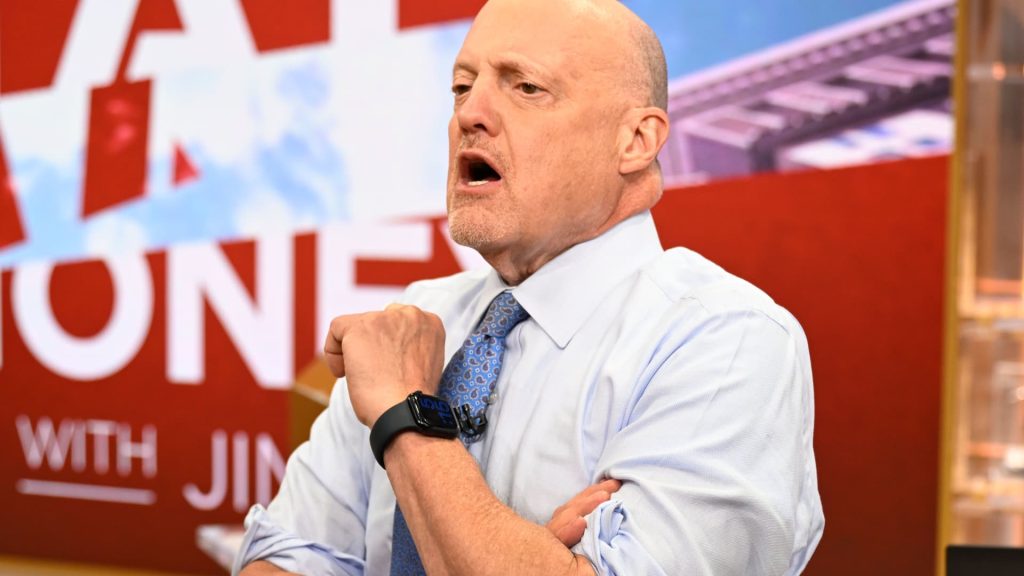
It’s imperative for investors to grasp how the Federal Reserve operates and its influence on market dynamics, as assuredly noted by Jim Cramer from CNBC.
The Dual Nature of the Federal Reserve
“We fear the Fed because it sets interest rates,” Cramer astutely pointed out. “A misstep could unleash inflation or wreak havoc on the economy.” Conversely, a well-calibrated Fed can yield splendid results for the stock market.
The Fed, the central bank of the United States, is entrusted with regulating monetary policy. It sets the federal funds rate, a pivotal short-term interest rate facilitating overnight bank loans. Charged with maintaining inflation control without triggering a recession, the Fed also focuses on promoting employment while stabilising prices.
The Fed’s Independence and Decision-Making
As an independent entity, the Fed’s board members serve appointed terms rather than being elected. This autonomy liberates them from reelection pressures, allowing them to make unpopular but necessary policy decisions. Cramer suggests this independence enables the Fed to be “ruthless enough” to act decisively.
The Dance of Interest Rates
When the economy appears lethargic, the Fed cuts interest rates to stimulate business activities. Such rate cuts encourage stock ownership, often sending the market into a jubilant ascent.
However, should inflation rear its ugly head, the Fed intervenes with rate hikes. Although these hikes curb inflation, they also place a drag on the economy. Banks increase borrowing costs, thereby impeding business expansion and hiring. Historically, Fed-induced recessions have been succeeded by recoveries spurred by their policies.
Inflation and Employment: A Delicate Balance
In its quest to promote employment, the Fed occasionally must incite layoffs to douse intense inflationary fires. “Inflation can obliterate wealth and make life quite unbearable,” Cramer highlighted, underlining its pernicious nature.
The Menace of Wage Inflation
Wage inflation poses a distinct threat to the Fed. Businesses that raise wages often hike prices to maintain margins, which can perpetuate a vicious cycle of inflation. As employees find more money in their pockets, demand surges, driving prices further upwards. Suddenly, inflation seems inescapable. Thus, heightened wages lose meaning amidst spiralling costs.
“When inflation looms, it’s a signal to beware,” Cramer advised. “Expect the Fed to raise rates to stamp it out, potentially sending the economy into a tailspin.”
Conclusion
In sum, understanding the Fed’s role is vital for investors. Its policies can either buoy the stock market or herald economic downturns. For additional insights and investment guidance, consider Jim Cramer’s Guide to Investing.
