

Contents
A Week of Turbulence in America: The Trump Tariff Tangle
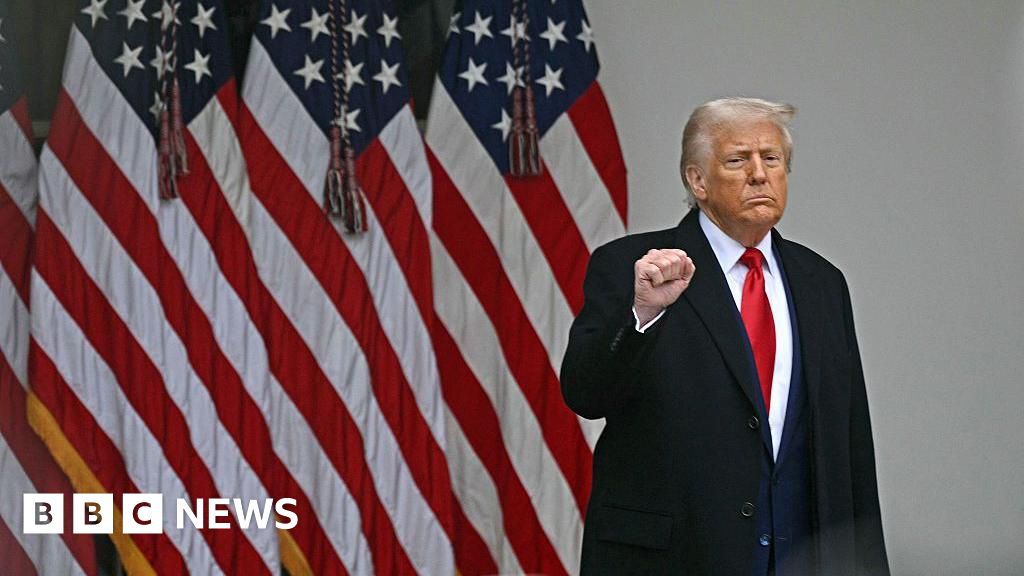
As it happens, the grandeur associated with certain dates can later be cast in a different light. As Donald Trump announced his grand tariffs on US imports, he optimistically predicted 2 April would become “liberation day” in America’s annals. 1 However, the coming days may well see it remembered as something entirely different.
Market-Focused Mayhem
Certainly, the fallout in the stock markets tells its own story. Since Trump’s declaration from the White House’s Rose Garden, US stocks spiralled dramatically. Key trading partners—like Canada, the European Union, and China—show no signs of backing down. The turbulence in financial markets was just one piece of the puzzle, where the reality of Trump’s second-term conundrum clashed with his ambitions.
The Tariff Tempest
With such fervour behind his tariff campaign, Trump remained steadfast amidst the storm he had birthed. Confident in his longstanding vision for an American manufacturing resurgence, the President seems willing to weather the storm. The notion that this would bolster the nation’s economic vitality is deeply embedded in his philosophy.
Interestingly, statements from Republican dissidents, like Ted Cruz, underscore the potential pitfalls. On his podcast, the Texan senator voiced concerns that these tariffs “could hurt jobs and could hurt America.” Meanwhile, a subtle drift emerged in the Senate as some Republicans joined Democrats to counter Trump’s tariff declarations.
Political Winds and Polarisation
Out on Pennsylvania Avenue, tension hangs in the air. The White House is preparing for potential anti-Trump protests, with heightened security measures around its vicinity. Yet, broader implications of his administration’s bold actions took shape in other arenas, particularly geopolitics and domestic policies.
Foreign Affairs Foundering
When it comes to Trump’s foreign policy endeavours, Washington-watchers sense little progress. Ending the wars in Gaza and Ukraine remains elusive. Escalations by Israel in Gaza and continued Russian demands in Ukraine signify the complexities of international diplomacy. The speculation is rife. Might Russia be delaying negotiations to gain more ground? If so, it’s a troubling sign for Trump’s peace aspirations.
Notably, Jake Sullivan, a former security adviser under Biden, argues that Trump’s concessions have left Moscow expectant of further compromises. Perhaps Trump is holding fast to hope, yet the evidence points in a different direction.
Domestic Dilemmas
On the home front, Trump’s immigration moves also face significant challenges. Legal disputes threaten to derail deportation efforts, notably those concerning alleged Venezuelan gang members. 2 Additionally, debates persist on matters of asylum, birthright citizenship, and refugee resettlement. If these contentious issues reach the Supreme Court, they may become pivotal moments for American law and politics.
A Shift in Political Sentiment?
As voters trickled into polling stations in Wisconsin and Florida, the results were telling. Democrats held their ground in areas otherwise staunchly Republican. In Wisconsin, despite significant conservative backing, a Democratic candidate secured victory in the judicial race. It suggests that Democrats might leverage these trends to their advantage in future state and congressional elections.
The electoral outcomes imply potential discontent within Trump’s own party, hinting at a subtle undercurrent of change. Increasing dissent within Republican ranks becomes apparent as mounting economic distress and dissatisfaction with government cuts ripple through the electorate.
In summary, turbulent times lie ahead in American politics. As Trump pursues his ambitious agenda, economic realities and political challenges mount, and his allies face increasingly difficult decisions. The very fabric of his vision could hinge on the pressures of the present situation, hinting at a potential turning point in the years to come.
