

markdown
Contents
The Unrivalled Importance of the Strait of Hormuz
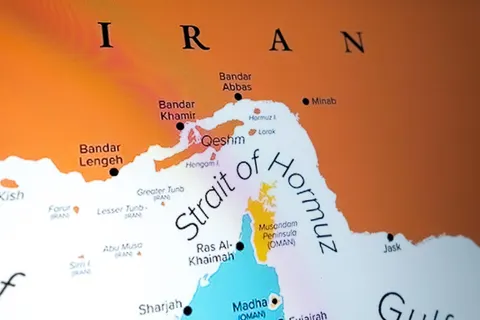
The Strait of Hormuz is a key global chokepoint. Situated between Iran to the north, and Oman and the UAE to the south, it is more than just a body of water. Connecting the Gulf with the Arabian Sea, it serves as a crucial artery for energy supplies worldwide.
Strategic Significance
This slender channel stretches 100 miles, yet at its narrowest, it’s only 21 miles wide. Such limited space makes it particularly vulnerable to disruptions. The designated shipping lanes, each only two miles across, further highlight its strategic delicacy. Hence, any instability reverberates globally.
Energy Flow
The strait is vital for the transportation of oil and gas. Approximately 2 million barrels of oil pass through daily, forming 20% of the world’s oil products. The region also exports liquefied natural gas predominantly from Qatar, a key exporter on the global stage.
Volume of Trade Through the Strait
| Product | Daily Volume | Global Proportion |
|---|---|---|
| Oil | 2 million barrels | 20% of global oil products |
| LNG | Significant | 1/5th of all LNG exports |
The Current Tensions
Recent military actions by the US and Israel have added to the volatility in the region. Iran’s retaliation has included threats to restrict passage, causing a significant drop in shipping traffic. Reports indicate a reduction of maritime activity by 60-70%.
Read More: Iran Claims ‘Full Control’ of Strait of Hormuz as Missile Strikes Escalate Across Region
Economic Implications
Escalated tensions have nudged oil prices upward. With Brent crude soaring above $80 per barrel, the market is jittery. Supply chain disruptions could strain global energy distribution.
Rising Costs and Global Markets
Europe and Asia are particularly affected. LNG prices have been climbing amidst fears of interrupted deliveries from Qatar. This has broader ramifications on manufacturing and transportation, potentially triggering inflation.
Limited Bypass Options
Countries like Saudi Arabia and the UAE have limited alternatives to the Strait. Though Saudi Arabia has an East-West pipeline connecting the Gulf to the Red Sea, it’s insufficient alone. Similarly, the UAE uses a pipeline from Habshan to Fujairah, capable of transporting 1.5 million barrels daily, yet this doesn’t fully negate the strait’s necessity.
International Maritime Law and Protection
The Strait of Hormuz is protected under the UN Convention on the Law of the Sea, which grants a “right of transit passage”. However, practical enforcement depends heavily on geopolitical dynamics. The US has a strong presence in the Gulf and is known for escorting tankers during conflicts, a necessity in past skirmishes like the Tanker War.
Broader Geopolitical Consequences
The disruption exemplifies how interlinked global economies are to energy routes. Asian economies, in particular, import vast amounts of oil through the strait, relying heavily on its accessibility.
Read More: What Happens If Iran Closes the Strait of Hormuz?
Should instability persist, alternatives like strategic petroleum reserves and increased diversity are pivotal. Still, given the volume passing through, any disturbance to the Strait of Hormuz triggers widespread ripples.
Conclusion
The situation remains precarious. Shipping routes through the strait will depend on regional security and diplomatic resolution. Its control and accessibility are paramount not just for bordering nations, but for the global community impacting a fifth of the world’s petroleum.
While technological advances offer some resilience, the strait’s closure or disturbance would cause considerable market instability. Thus, ensuring stability here is not merely a regional interest but a global imperative.
The views in this article reflect its author’s insights, not necessarily those of The Diplomatic Insight.
