

markdown
Contents
Market Turmoil Amid Conflict
Surge in Crude Oil Prices
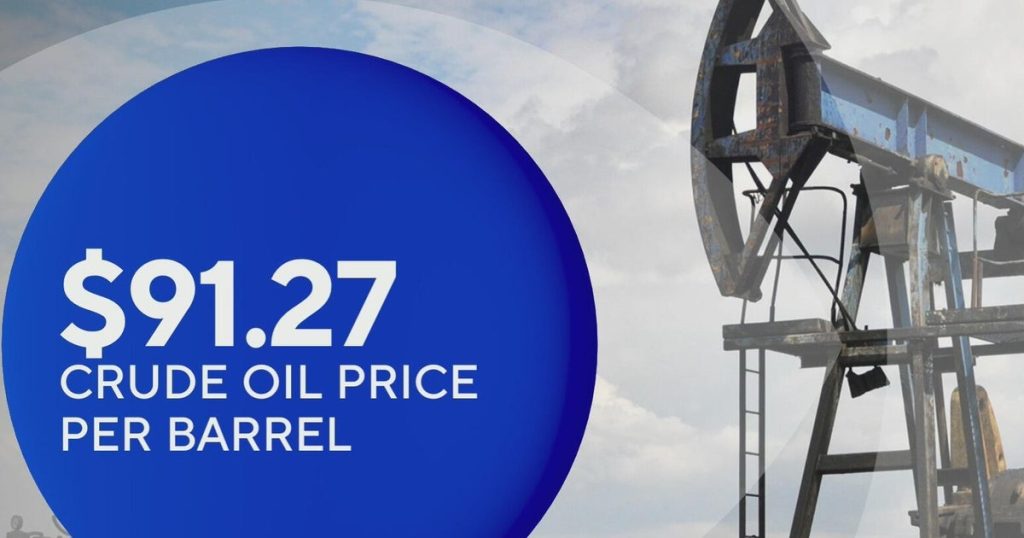
The ongoing conflict with Iran has driven significant market turbulence. Notably, U.S. crude oil experienced an unprecedented weekly gain. Futures trading saw prices soar, closing at $91.27 a barrel—a whopping increase of over 35% since hostilities commenced.
Stock Market Reactions
Meanwhile, the stock markets weren’t spared. The Dow faced its most substantial decline since April. Similarly, both the S&P 500 and Nasdaq ended the week in negative territory.
Economic Ripples
Volatility in such critical markets isn’t without consequence. The ripple effects impact industries across the board. Transportation and manufacturing suffer as costs rise, leading to potential inflationary pressures.
Historical Context
Historically, conflicts in oil-producing regions significantly influence global markets. This current situation is reminiscent of past disruptions that led to dramatic price spikes and market uncertainties.
Potential Future Scenarios
As the situation unfolds, expert analysts urge caution. Investors must brace for further fluctuations. Diversifying portfolios and considering safer assets could be prudent strategies.
Additional Information
For those seeking more insight, The Guardian provides comprehensive coverage of oil market dynamics. The BBC also offers insights on the broader implications of these economic shifts.
Conclusion
In summary, the conflict’s reverberations are pronounced. The impact on crude oil and stock markets exemplifies the fragility of global economic systems. The path ahead remains uncertain, demanding vigilance and adaptability.
