

Contents
Another Increase on the Horizon
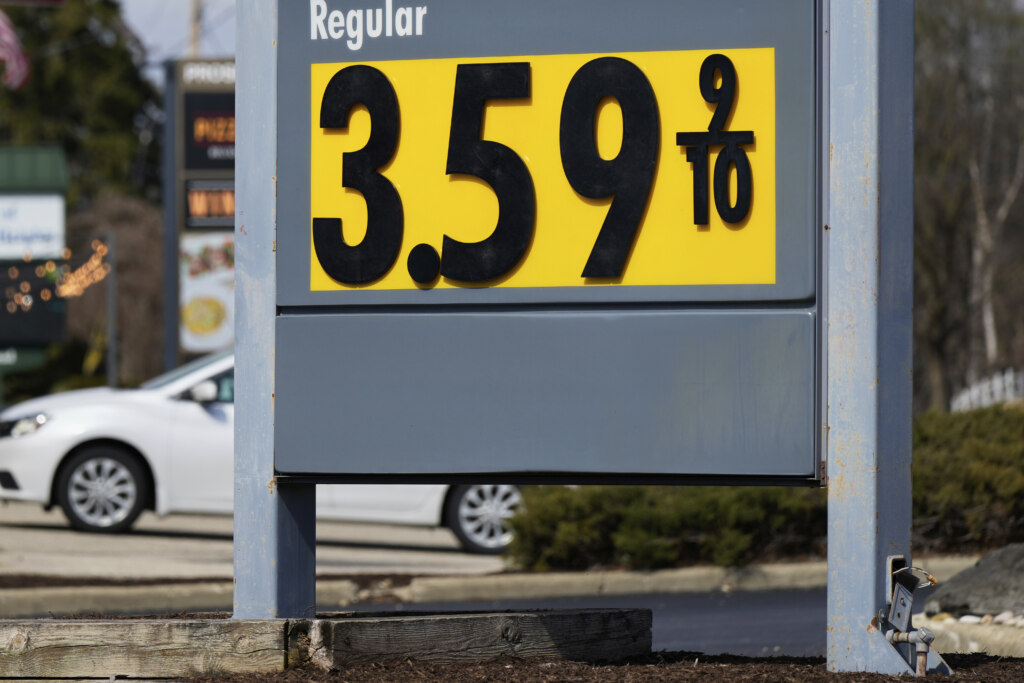
It appears to be a rather unfortunate summer for Illinois motorists, with yet another increase in the motor fuel tax expected. From July 1, the gas tax will ascend to over 48 cents per gallon. Despite already paying the second-highest gas taxes in the United States, the state seemingly demands even more.
Ever Higher Charges in the Prairie State
In light of these developments, Illinois is likely to maintain its undesirable position as the second-highest in the nation for fuel taxes. This is due to the state’s inclination towards extravagant spendings and its lavish taste in revenues.
Moreover, the talk is not ending with this increase. State lawmakers are mulling over introducing a vehicle mileage tax, claiming a need for greater funds for road infrastructure.
The Burden of Automatic Hikes
In 2019, Governor J.B. Pritzker implemented a doubling of the state gas tax. To make matters worse, automatic annual increases are built into the system. Consequently, Illinois drivers will be paying an estimated extra $143 annually post-July 1. The excise tax on gas stood at a mere 19 cents before these hikes.
Local Taxes Add to the Woe
Residents of communities within counties like Cook, Kane, Lake, DuPage, McHenry, and others face additional challenges. Local fuel taxes are prevalent, contributing to layers upon layers of cost. As a result, Illinoisans pay upwards of 85 cents per gallon solely on taxes. Notably, Illinois stands alongside California in this 80-cents-plus club.
Illinois Revenue Records
An interesting fact emerges amid these taxing times: Illinois collects staggering sums from motorists. Shockingly, with fewer registered vehicles — a decline of over 580,000 since 2018 — the wealth amassed from drivers surpasses £6 billion. The state somehow manages to earn over $2 billion more from fewer drivers. It seems, however, they’re insatiably seeking further revenue streams.
Future Considerations
Considering future pathways to more revenue, Illinois should potentially explore drawing more inhabitants. Taxes should be competitive so drivers aren’t tempted by cheaper alternatives across state lines, where fuel can be more than 60 cents cheaper per gallon.
Many view these regressive measures as an unfair burden on middle and low-income families, especially those with less fuel-efficient vehicles. Lawmakers, therefore, should investigate smarter methods of handling the state’s finances. Optimising current funds may bear more fruit than merely lining up for even more whilst roads continue deterioration.
Though the situation may seem bleak, Illinois drivers should remain hopeful. After all, an informed public can pressure lawmakers for better policies and hold them accountable for each penny spent.
