

Contents
A Glance at Global Economic Prospects
Current Economic Climate
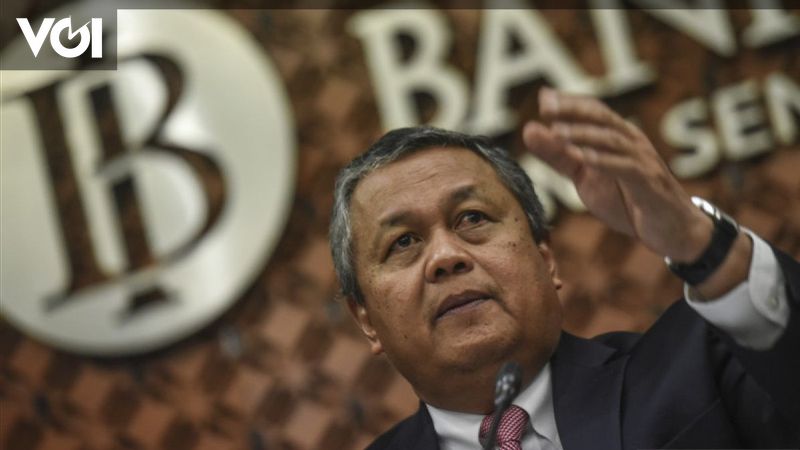
The Governor of Bank Indonesia, Mr. Perry Warjiyo, has provided insights into the present global economic climate. He noted that the world economy remains sluggish, chiefly due to the pervasive application of US reciprocal tariffs. These tariffs have resulted in a conspicuous downturn in US economic performance. Confidence among economic actors in the US has dwindled, leading to weakened household consumption and a rise in unemployment rates.
Varied Economic Performances Across the Globe
Globally, economic growth shows a marked slowdown, accompanied by disparities between nations. China’s economic performance has also decelerated. The decline in exports—particularly to the US—and a weakened domestic demand, especially in investment, are the main contributing factors.
Meanwhile, in Europe and Japan, export performance has been underwhelming, resulting in a downward economic trend. However, India’s economy has experienced a modest upturn, thanks to fiscal stimulus aimed at bolstering consumption.
Forecast and Monetary Policies
Bank Indonesia forecasts that global economic growth in 2025 will be slightly under previous expectations, hovering around 3.0 percent. Due to the unimpressive economic prospects and diminishing inflationary pressures, several central banks, excluding Japan, are adopting accommodative monetary policies.
There is also a growing likelihood of a reduction in the Fed Funds Rate, in line with the uptick in the US unemployment rate. Consequently, US Treasury yields have been declining, contributing to a weaker US dollar currency index (DXY).
Financial Market Dynamics
The ongoing unpredictability has led to a rise in global capital flows towards gold commodities, as it remains a haven in turbulent times. Unfortunately, capital flows to emerging markets have not mirrored this trend and are currently stagnant.
Preparing for Future Volatility
Mr. Warjiyo emphasized that the volatility of global financial markets is anticipated to persist. Thus, strengthening various responses and ensuring coordination in policy-making will be pivotal in maintaining domestic economic resilience. As external factors continue to cast shadows, proactive domestic strategies could prove indispensable.
For more detailed socio-economic insights, you can explore related resources here.
Language Note
Please be aware that this article was initially auto-translated from Indonesian. For any clarifications, kindly refer to the original Indonesian version supported by DigitalSiber.id.
