

Contents
The S&P 500 and the Question of Expensive Valuations
In the world of finance, the S&P 500 has been a topic of considerable debate. With its rather elevated valuations, one can’t help but ponder the potential pitfalls ahead. Particularly, if tariffs emerge as a significant economic burden.
Current State of Affairs
Back in September, Federal Reserve Chair Jerome Powell noted that stocks seemed expensive. Yet, the S&P 500 managed to edge upwards by about 3%. While not monumental, it indicated a certain insouciance from the market towards the warning.
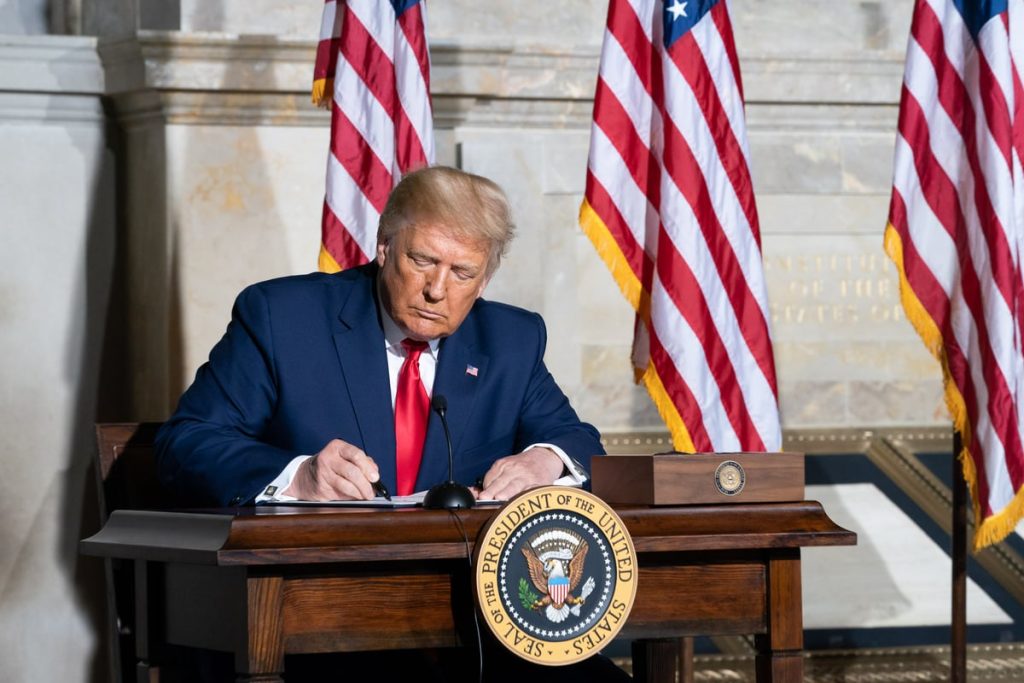
Recent research, however, casts a shadow on this optimism. It implies that President Trump’s tariffs could hamper economic growth, despite his assurances to the contrary. If tariffs indeed become a genuine obstacle, the market may not just decline gently, but could experience a rather steep tumble, or even crash as some fear.
The Unpleasant Truth About Tariffs
The imposition of tariffs by President Trump has undoubtedly raised concerns. They’ve inflated the average tax on U.S. imports to approximately 13%, quite near a 90-year high. Recent studies suggest that these tariffs have primarily impacted U.S. firms and consumers, challenging the president’s claims that foreign entities would bear the brunt.
The Analysis
- Research from the National Bureau of Economic Research indicates that U.S. companies and consumers shouldered 94% of the tariffs.
- The Federal Reserve Bank of New York’s findings were similar, asserting 86% of tariff costs were borne by Americans.
- The Kiel Institute reported U.S. importers and consumers absorbed 96% of costs.
- The Congressional Budget Office estimated Americans covered 95% of tariff expenses.
Each dollar drained by tariffs is one less dollar stimulating the economy, hence diminishing purchasing power and economic growth.
The Federal Reserve’s Stance on Stock Valuations
The CBO has projected a downturn in real GDP due to tariffs, which doesn’t bode well for the stock market. Sluggish economic growth suggests weaker corporate earnings, a troubling prospect when stocks are valued as multiples of earnings.
Historical Context
Fed Chair Jerome Powell mentioned in September that “equity prices are fairly highly valued.” By November, the Federal Reserve’s Financial Stability Report highlighted the S&P 500’s forward price-to-earnings (PE) ratio nearing historical peaks. Completing January with a forward PE of 22.2, the index remains above its ten-year average of 18.8. Historically, during both the dot-com bubble and the Covid-19 pandemic, valuations at this level led to bear markets. The eventual declines were 49% and 34%, respectively.
Potential Market Impact
Forward PE ratios rely on earnings estimates. Even if earnings match Wall Street’s optimistic forecasts, stocks are expensive by historical standards. Should analysts overestimate earnings, possibly influenced by tariffs, a sharp decline or market crash could loom.
Investment Strategy
Selling one’s entire portfolio in a panic isn’t advisable. Market timing is notoriously tricky. For example, potential productivity from artificial intelligence might counteract tariff-induced economic downturns. Instead, consider cautious market involvement. Begin with modest investments and avoid stocks that could induce panic during downturns.
In conclusion, while the S&P 500 currently holds an uncertain position, a strategic and informed approach may guide investors through these turbulent waters.
