

markdown
Contents
- 1. UN Chief Calls For Reform Amidst Rising Influence of Developing Nations
- 2. The Changing Dynamics of Global GDP
- 3. India’s Role and the Call for Security Council Reformation
- 4. Addressing Financial Challenges
- 5. Challenges to Global Cooperation and Multilateralism
- 6. Efficiency and Optimism Amidst Global Crises
UN Chief Calls For Reform Amidst Rising Influence of Developing Nations
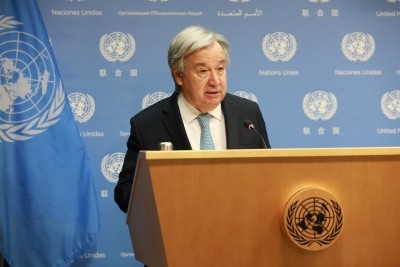
The shifting economic landscape demands changes. Developing nations are growing at a remarkable pace compared to their developed counterparts. This shift necessitates a reformation of the United Nations Security Council (UNSC) and global financial institutions, according to Secretary-General Antonio Guterres.
The Changing Dynamics of Global GDP
Day by day, developing economies increase their share of global GDP. Meanwhile, the influence of traditional powerhouses diminishes. South-South trade surpasses North-North trade, highlighting a transformative economic trend.
According to the UN’s recent world economy report, last year saw developing countries’ economies grow by 4.2%, while developed nations recorded just 2.9% growth.
India’s Role and the Call for Security Council Reformation
India, vying for a permanent UNSC seat, emerged as the fastest-growing major economy. With an impressive 7.4% growth, it epitomises the economic surge of developing countries. According to Guterres, the historical structures cannot resolve today’s problems. Thus, both the Security Council and international financial institutions must evolve.
Addressing Financial Challenges
The Secretary-General pointedly highlighted the financial crisis confronting the UN. This predicament is exacerbated by certain nations, implicitly referring to the United States, failing to meet their UN financial obligations. A reform in financial regulations could prevent a potential budget collapse.
“Our situation is totally unsustainable,” remarked Guterres. He urged all countries to honour their financial commitments under the Charter. Otherwise, financial rule modifications would be necessary.
Challenges to Global Cooperation and Multilateralism
Guterres spoke candidly about the impediments to global cooperation. Without directly naming the US or Russia, he mentioned actions by certain permanent UNSC members. Their behaviour, he argued, undermines international law and multilateralism. However, he assured, “We will not give up.”
Efficiency and Optimism Amidst Global Crises
Though numerous crises threaten international cooperation, Guterres remains optimistic. His tenure closing, he reflected on the UN finding its footing even amidst turbulence. The UN, he noted, is streamlining its structures, enhancing efficiency and economies.
The evolving global scenario demands adaptive and forward-thinking leadership. As symbols of global governance, bodies like the UNSC must reflect the present realities. Effective change may well depend upon recognising and embracing the influence and potential of growing economies.
For more insights, see Gopi Adusumilli’s profile.
Contact Gopi: [email protected]
