

Contents
Evanston’s Pension Policy: A Deliberation
The city of Evanston has been hard at work settling its pension funding strategies. Significant conversations are ongoing about how best to allocate the Personal Property Replacement Tax (PPRT) revenue.
The Need for Clarity
Recently, the Finance and Budget Committee moved forward a proposal to refine how this tax revenue is distributed. An effort spearheaded by Jack Mortell, President of the Evanston Firefighters Pension Fund, has been central to this endeavour. Mortell is pressing for adherence to a 2023 resolution. This resolution, agreed upon by the City Council, mandates allocating the “maximum allowable [PPRT] revenues for the Police and Fire Pension Funds.”
A Matter of Policy
Under Mortell’s guidance, the policy suggested increasing property taxes only when surplus reserves are insufficient. In past budgets, exceptions have muddied intentions, leading to proposed tax hikes for covering pension costs. Yet, Mortell firmly believes that clarity would prevent this confusion.
Key Table: Resolution Implications
| Financial Component | Proposed Action |
|---|---|
| PPRT Revenue Allocation | Maximise for public safety pensions |
| Property Tax Increase | Only if surplus reserves are insufficient |
Historical Context and Decisions
Back in 2024, the city entertained the idea of an escrow account for PPRT revenue, specifically for public safety pensions. Despite valid reasoning, the Finance and Budget Committee rejected this proposal by a narrow vote of 2-4. Fast forward to the present, the committee has refined the policy to ensure clarity, saying:
The maximum amount of Personal Property Replacement Tax (PPRT) statutorily allowed by the State of Illinois shall be applied to public safety pensions prior to other funding sources.
The policy reduces this amount by 11.3% until the city’s potential liability to the library is resolved.
The Library’s Claim
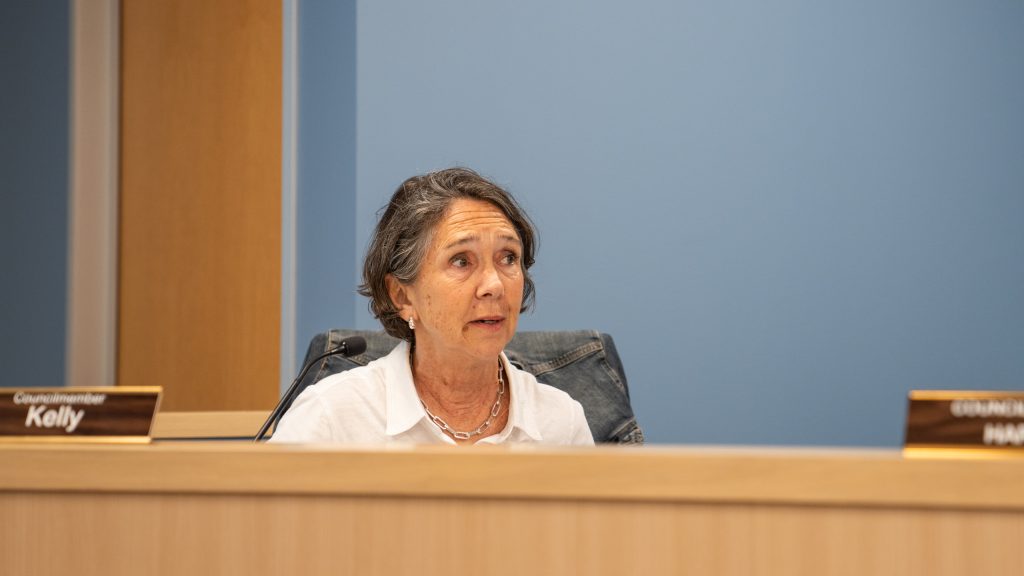
Evanston Public Library has staked a claim to a portion of the PPRT, complicating matters. Ald. Clare Kelly suggests the library’s past allocations were unfounded. Nonetheless, some committee members, like Ald. Jonathan Nieuwsma, view the ongoing debate as unnecessary. Nieuwsma contends that what’s proposed doesn’t resolve any pressing problems. Meanwhile, the city forecasts an expense of $30 million, making the debated $2 million seem minor.
Divergent Perspectives
Both Nieuwsma and committee member David Livingston argue that larger issues persist, such as the existing $8 million pension contribution from the general fund. For them, debate over the $2 million is merely shifting funds from one pocket to another.
Fiscal Future Concerns
Ald. Clare Kelly, however, sees greater challenges ahead. She warns about the volatility of relying solely on PPRT revenue. Last November, Kelly advocated for a budget with a modest tax increase, leveraging reserves and PPRT funds. Her successful lobbying left Evanston with a projected fund balance of $35.2 million, slightly above the legal requirement. However, the need for more revenue sources is looming.
Moving Forward
The revised policy language now awaits City Council’s consideration. By officially adopting the specific PPRT wording, the council hopes to move beyond this debate and focus on sustainable planning.
For further insights into the PPRT’s historical role, visit the State of Illinois website.
It seems as though Evanston’s financial dance continues, but with careful steps, the city might just find its rhythm.
