

Contents
Europe’s Economic Quandary
A World in Transition
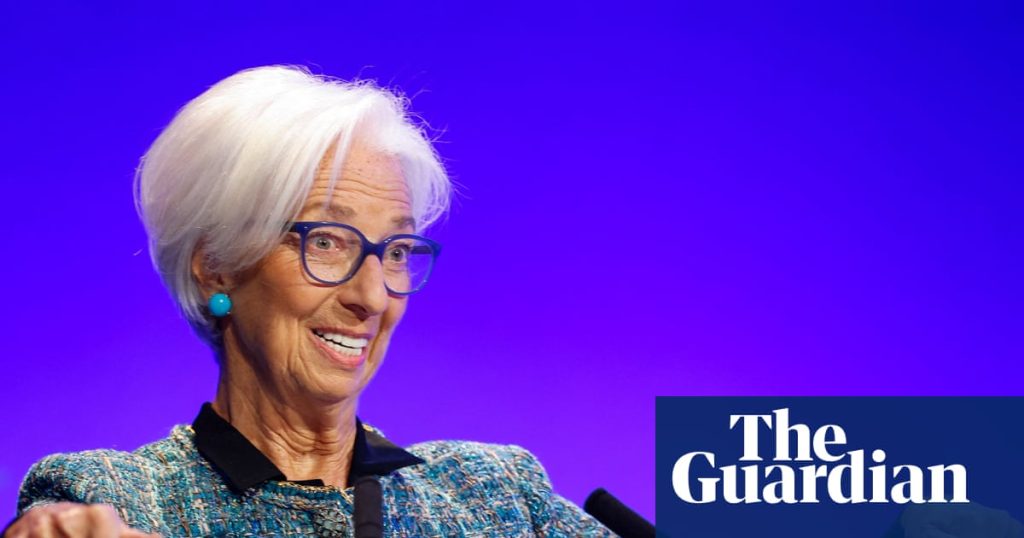
Europe, it appears, has found itself geared towards a world that seems to be fading away, according to Christine Lagarde, the esteemed president of the European Central Bank. In her view, urgent reforms are necessary to spur economic growth.
Vulnerabilities in Trade and Materials
Lagarde underscores the EU’s reliance on global trade—once a boon, now a potential bane. The bloc, which flourished with international commerce, now finds itself at a disadvantage. Major trading partners have shifted towards protectionism, notably led by figures such as Donald Trump. Meanwhile, China’s grip on essential rare earth metals poses a significant challenge to Europe’s industries. This dependency extends to critical components like power chips, vital for global car production, yet in control by Chinese manufacturers like Nexperia.
Internal Market Stagnation
In Lagarde’s speech at the European Banking Congress in Frankfurt, she lamented that Europe hasn’t sufficiently addressed its internal weaknesses. European policymakers seem to have permitted problems to quietly undermine economic growth. As she states, “Our internal market has stood still,” particularly in burgeoning sectors like digital technology and artificial intelligence.
Financial Imbalances
Furthermore, Europe faces an unfortunate cycle of its savers investing in American stocks, inadvertently boosting the US economy while domestic productivity stagnates. Lagarde points to a “vicious circle,” where Europe becomes increasingly dependent on others as its productivity remains static at home.
European Strengths and Recommendations
Despite these challenges, Lagarde highlighted certain strengths within Europe—most notably, a robust labour market, increased digital investments, and enhanced government spending on defence in response to conflicts like Russia’s actions in Ukraine.
To counter economic setbacks, Lagarde proposes lowering barriers to trade within the EU. Currently, these barriers are equivalent to a 100% tariff on services and 65% on goods. Aligning them with the more open Dutch economy could offset the impact of US tariffs.
Strategic Moves Forward
Lagarde further suggests adopting measures like mutual recognition of regulated companies across Europe. Such recognition would allow seamless business operations throughout the EU once authorised by any member nation. She also advocates for qualified majority voting on tax matters, which would prevent single-member vetoes and allow for VAT harmonisation. This change would simplify market access for smaller European firms.
By addressing these issues, Europe may better position itself for the future, striving for unity and resilience in an ever-evolving global landscape.
