

markdown
Indiana’s New Property Tax Law: A Cause for Concern
Gathering of Leaders in Speedway
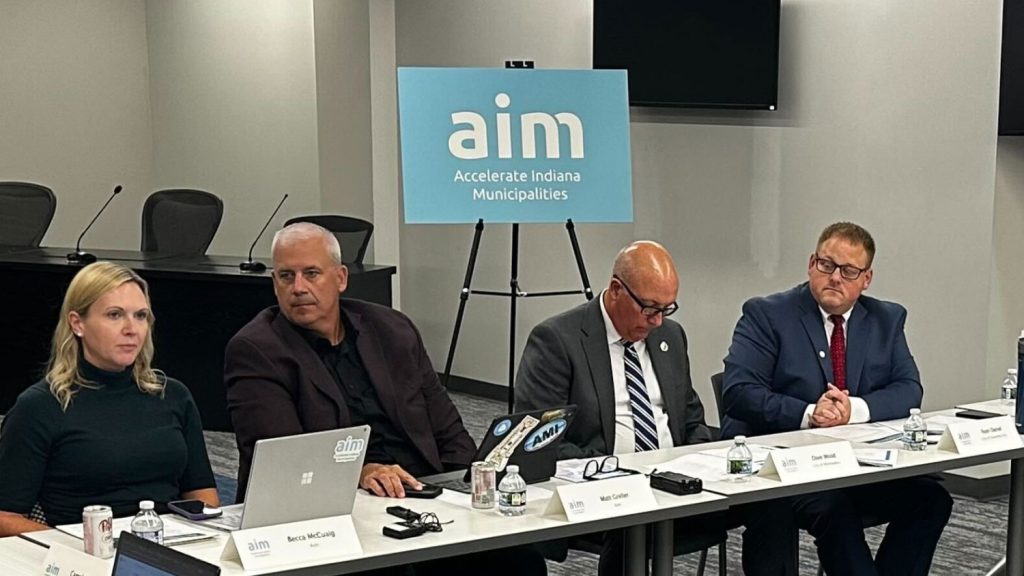
On a rather dreary Wednesday, leaders from over a dozen towns and cities gathered in Speedway. Their mission was clear: to voice their concerns regarding Indiana’s new property tax relief law. This law, they argue, threatens to significantly reduce local revenues, potentially endangering vital services.
Financial Implications and Projections
The state’s Senate Enrolled Act 1, which became effective this year, could drain up to $1.8 billion over the next three years. While aimed at providing relief to homeowners and businesses, officials believe it strips away critical funding for essential services like police and fire departments.
Revenue Challenges for Cities and Towns
Representatives from Avon, Columbia City, and other towns discussed the expected financial strain. Avon anticipates a 4.5% drop in revenue annually for the next two years. Town manager Ryan Cannon predicted even greater losses for municipalities not experiencing Avon’s growth.
The Voice of Aim
Accelerate Indiana Municipalities, known as Aim, is spearheading efforts to counteract the law’s implications. As a nonpartisan body, Aim plans ten meetings across the state. At these gatherings, they share findings from their detailed report and propose legislative solutions.
Policy Recommendations
Aim’s proposals seek to address the challenges head-on:
- Reallocation of Tax Caps: Shift part of the local income tax cap to municipalities, allowing city services a higher rate, from 1.2% to 1.9%.
- Eliminate Annual Reapproval: Remove the rule requiring yearly reapproval of income tax rates, preventing potential drops to zero.
The Impacts on Local Services
According to Aim CEO Matt Greller, property taxes have sustained local governments for over a century. He warns of reduced public services, like parks and road maintenance. “It’s reality,” he stated. “Less money means fewer services.”
New Measures for Local Revenue
The relief law offers homeowners a 10% credit, capped at $300, with an extra $150 for seniors. However, a novel local income tax option allows counties to offset property tax revenue losses.
Future Engagements
Following their meeting in Speedway, Aim conducted discussions in Terre Haute, with further sessions planned in various Indiana locations. These efforts highlight their commitment to finding sustainable solutions.
Eric Weddle, education editor at WFYI, contributed to this article.
For further information, reach out to WFYI reporter Zak Cassel at [email protected].
